

Political quarterly update: Fall 2026
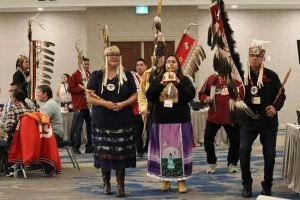
Daagwaagin (Fall) is upon us, and we give thanks for the harvest season. We give thanks for the bountiful harvests, reflection on what was, and prepare for the colder weather ahead. It is in this season, we honour our Ancestors and Veterans, share stories, and hold our Fall ceremonies. As our Mother Earth begins her Booboon (Winter) slumber, we also need to take the time to reflect on what was and what could be. It is the time to reflect upon all the goodness that has bestowed upon us as we begin to prepare for Booboon. Despite the perceived uncertainty from the fast-tracking of federal and provincial legislation, we are ready to face the onslaught of new legislation from these external governments. As we continue to advance our rights-based agenda, we will be steadfast with one Anishinaabe voice for all Anishinabek.
Anishinabek Nation leadership participated in the historic First Nations–First Ministers’ Meeting held in Ottawa on October 26, 2026, bringing together First Nations leaders from across Canada, Prime Minister Mark Carney, and provincial and territorial premiers. The meeting provided an important opportunity to advance issues directly affecting the 39 Anishinabek Nation member First Nations, including the recognition and implementation of inherent and treaty rights, First Nations jurisdiction, economic sovereignty, resource revenue sharing, housing, health, infrastructure, and community safety.
Three Chiefs from Anishinabek Nation member First Nations brought forward perspectives that reinforced the importance of First Nations being recognized as governments, rights holders, and decision-makers in the future of this country.
Chippewas of the Thames First Nation Chief Joe Miskokomon emphasized economic sovereignty, financial independence, and the establishment of a First Nations Sovereign Wealth Fund to create opportunities for collective investment, ownership in major projects, and intergenerational wealth.
Mississaugas of Scugog Island First Nation Chief Kelly LaRocca raised concerns regarding Bill C-39, Building Canada Strong Act, and the protection of First Nations rights within federal project approval processes. She called for meaningful consultation, adequate capacity funding, stronger legislative protections, and recognition of Indigenous-led impact assessments, highlighting the Michi Saagiig First Nations-led assessment of the proposed New Nuclear at Wesleyville Project.
Algonquins of Pikwàkanagàn First Nation Chief Greg Sarazin addressed the meeting during closing remarks, affirming his Nation’s connection to the unceded and unsurrendered Algonquin territory and its ongoing treaty negotiations with Canada and Ontario. He emphasized that reconciliation must be demonstrated through mutual respect, shared prosperity, and concrete action, reminding leaders that what happens following the meeting will become their shared legacy.
From an Anishinabek Nation perspective, the discussions reinforced the need to move beyond consultation and program-based relationships and toward genuine nation-to-nation and government-to-government partnerships that recognize Anishinabek laws, governance, jurisdiction, and responsibilities to our lands and waters. Economic development must not come at the expense of our treaty rights or the well-being of our communities; First Nations must have the authority, resources, and opportunities to determine their own priorities and futures.
Prime Minister Carney announced investments in First Nations policing, community safety, emergency management, and workforce development, along with commitments to further discussions on a First Nations Sovereign Wealth Fund and a process to move beyond the Indian Act. These discussions are particularly relevant to the Anishinabek Nation’s ongoing work in citizenship, treaty implementation, Health Transformation, economic development, and environmental stewardship. The Anishinabek Nation will continue advocating for meaningful implementation of these commitments, direct First Nations participation in federal and provincial decision-making, and accountability for measurable outcomes.
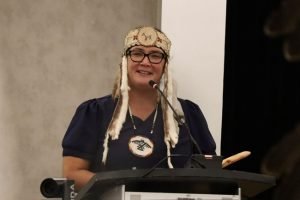
Our annual Fall Assembly was held in the Southeast Region on the traditional territory of Algonquins of Pikwàkanagàn First Nation in Ottawa from November 3-4. The gathering had some very special moments within the Chiefs Circle. Anishinabek Nation Head Getzit Mishoomis Richard Assinewai spoke about the power of these circles and the sharing that needs to take place for our Gimaag (Chiefs).
Some of the most significant events attended by members of the Anishinabek Nation Leadership Council were the different Remembrance Day celebrations to honour the sacrifices of our Anishinabek Ogiicheetaa (Warriors) in past conflicts. These commemorative events were held across different Anishinabek Nation First Nations, emphasizing the significance of remembrance within our communities.
The annual Chiefs of Ontario Fall Chiefs Assembly was recently held in Toronto, and was crucial for sharing knowledge and setting agendas for the upcoming year. It gathered Chiefs and community representatives to discuss pressing issues such as education and infrastructure.
Other advocacy efforts included many unscheduled meetings with government officials. These meetings involved various stakeholders, including the Ontario Ministry of Indigenous Affairs and First Nations Reconciliation, Ontario Ministry of Natural Resources and Forestry, Ministry of Education, Ministry of Infrastructure, and different Anishinabek First Nations and leadership councils. They aimed to address pressing issues relevant to our Anishinabek communities, enhance intergovernmental relationships, strategize on leadership advocacy, and address various legislative reforms and initiatives. Since the recent federal election, we have noticed a major shift in the relationship with Indigenous Services Canada and Crown-Indigenous Relations and Northern Affairs Canada. With this new Liberal government, we will need to double our efforts to ensure the voices of our people are heard, as there is a general lack of engagement from this leadership.
Looking forward to the Booboon, First Nations are encouraged to review their existing community housing and infrastructure needs along with many proposed energy and transmission corridors that are crossing our territories. It is anticipated that access to these Federal funding announcements may require prerequisite planning that confirms First Nation citizens needs supported through business plans and established partnerships.
As part of the mandated effort to advocate for a rights-based agenda within the legislative process, Anishinabek Nation submitted written briefs to the committees on Bills S-233, An Act to amend the Criminal Code (assault against persons who provide health services and first responders), C-37, the proposed First Nations Clean Water Act, and C-39. Anishinabek Nation Grand Council Chief Linda Debassige also appeared before the committee as a witness for Bill C-37. This is part of a strategic effort to defend our rights and to provide education to those involved in the legislative process in the spirit of building relationships. Protecting our right to safe drinking water, access to suitable housing, and protecting our homelands and vulnerable citizens while educating, and creating a space for our future leaders will continue to be our collective priority.