

‘Underfunding hampers our ability to serve our citizens,’ states Anishinabek Nation Grand Council Chief Debassige
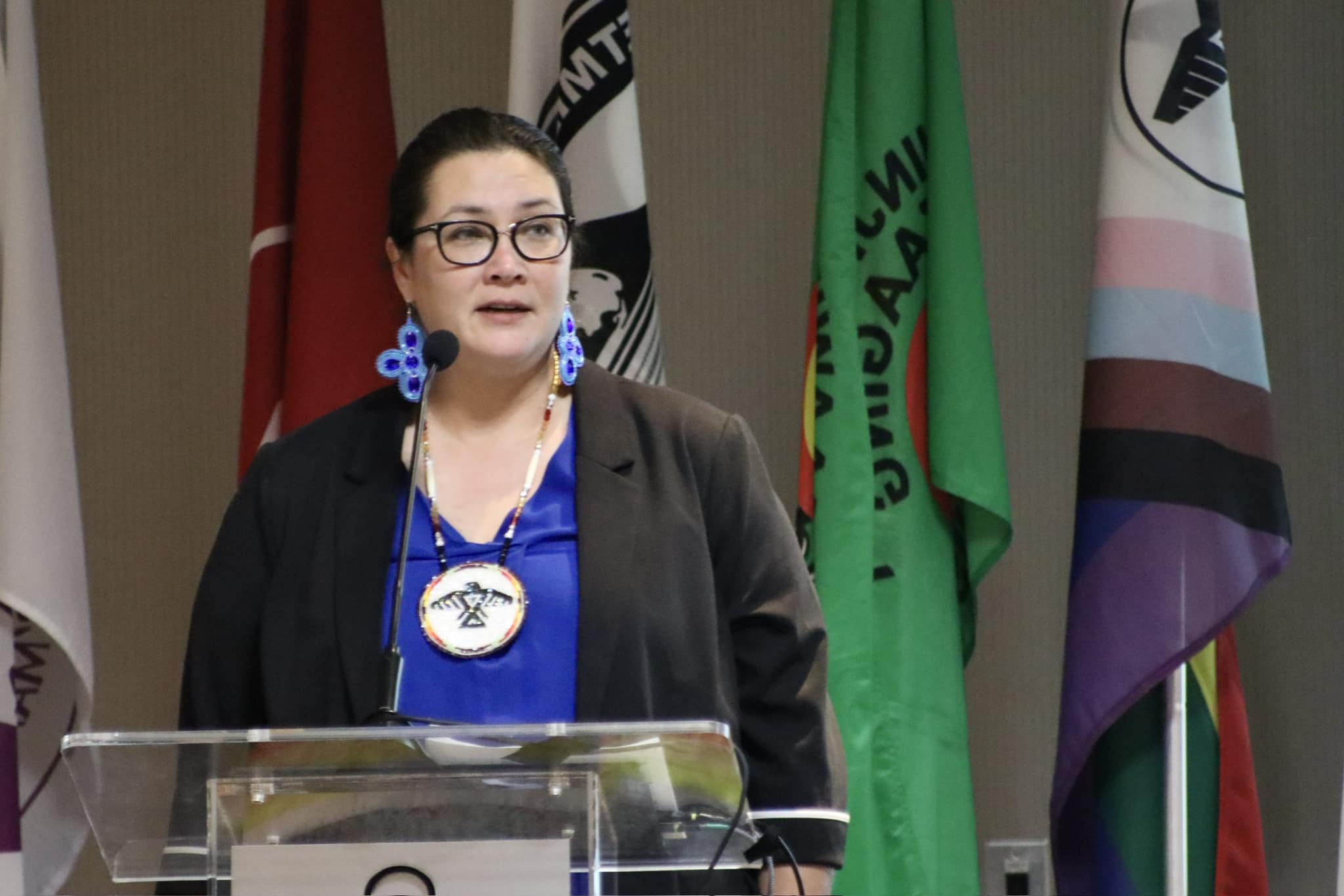
ANISHINABEK NATION TERRITORY (September 18, 2025) —In response to the announcement for the new federal budget scheduled to be released on November 4, Anishinabek Nation Grand Council Chief Linda Debassige says that while the federal government’s commitments made towards advancing First Nation priorities are appreciated, there remains more work to be done.
“We will remain steadfast in ensuring that these investments translate into meaningful action that addresses the existing and urgent needs of our First Nations,” states Grand Council Chief Debassige. “We call for continued collaboration, transparency, accountability, and action to support our Nations in fostering sustainable development through health, education, community safety, infrastructure, and economic opportunities. Despite repeated commitments, First Nation governments continue to face significant gaps in areas such as governance, health, education, infrastructure, policing, and social services. This underfunding hampers the ability of our First Nations to serve our Anishinabek Nation citizens effectively and to realize the collective inherent rights of all Anishinabek Nation people. The Anishinabek Nation recognizes that closing these gaps requires dedicated, long-term investment strategies that respect our Anishinabek Nation First Nations’ sovereignty and enable our Nations to build sustainable, safe, and self-reliant communities.”
The federal government has announced increased defence spending and financial support to other countries.
“The historical actions by the federal government, coupled with what our First Nations citizens experience daily while there are investments into other countries or priorities, tell us that these investments will come at the expense of critical education, policing, social, and infrastructure funding for First Nations,” says Grand Council Chief Debassige. “The chronic underfunding must be addressed by ensuring that any resources intended for Anishinabek Nation First Nations reach them and are not diverted to other competing priorities. Canada has a fiduciary responsibility to uphold, and we cannot keep getting deprioritized and left behind.”
In last fall’s economic statement, the federal government said that the deficit was due to one-time costs, including billions related to Indigenous claims playing out in court. The Anishinabek Nation called this statement utterly ridiculous and can only be harkened back to the colonial mindset of old to villainize First Nations for rightful claims that have been settled in and out of court settlements and to illicit and further perpetuate societal animosity towards First Nations.
“The decades of delays in settling claims and adding lands to reserves in Canada’s Additions to Reserve policy process have been a complete failure,” states Grand Council Chief Debassige. “In most cases, it takes well over 30 years to add land to reserve. We have maintained that these delays are unacceptable to First Nations. These delay tactics are Canada’s colonial economic suppression through inaction to stifle our economic prosperity. The system is completely broken, and we are calling on this government to scrap the Additions to Reserve policy process and develop new processes under this government’s nation-building mantra of one Canadian economy. This new process would remove the federal barriers causing these decades of delays and see lands added to First Nations within months, and would stimulate economic growth across the country. First Nations could then invest in much-needed housing, economic, and infrastructure development projects.”
The Anishinabek Nation urges the Government of Canada to recognize the critical importance of investing in First Nations, honouring treaty and legal obligations, and supporting efforts in First Nation capacity-building, self-determination, community safety, and economic prosperity.
“We seek a budget that prioritizes First Nation investments without sacrificing the well-being of our people and that aligns with Canada’s commitments under the United Nations Declaration on the Rights of Indigenous Peoples, the Report of the Royal Commission on Aboriginal Peoples and recommendations, and the Kelowna Accord Implementation Act and its principles,” states Grand Council Chief Debassige. “As signatories to treaties, Canada has legal and moral obligations to honour its commitments, ensuring that First Nations are not left behind in this Government’s nation-building exercise for the Federal Budget 2025.”
The Anishinabek Nation remains dedicated to working with federal partners to achieve lasting positive change for Anishinabek citizens and future generations.