

Anishinabek Nation statement on the importance of recognizing First Nations’ rights and land sovereignty
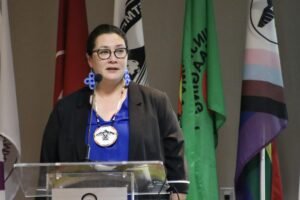
ANISHINABEK NATION HEAD OFFICE (May 27, 2026) – The Anishinabek Nation Grand Council Chief Linda Debassige reminds citizens of Canada of the importance of recognizing First Nations’ rights and land sovereignty, as separatist ideologies only serve to cause division amongst citizens.
“The Anishinabek Nation has long upheld the covenant of treaties and ensured the strength and importance of treaties through the Crown’s metaphor of a silver covenant chain. This chain represents a relationship that is strong but can ‘tarnish’ or ‘contract rust’ if neglected. This is the very case that is unfolding in the West.
Both parties—First Nations and settler governments—agreed that when conflicts or misunderstandings arose, the treaty would serve as a tool to ‘polish the chain’ together. Since 1764, this symbolism has served as a reminder to all that treaty relationships must be mutually maintained with care and respect, ensuring strength and integrity are preserved over time. It underscores the importance of ongoing commitment and partnership to honouring these agreements so the relationship remains steadfast rather than deteriorating.
It is essential to recognize that without First Nations, there would be no property rights, no provinces, and no territorial boundaries across Canada. The foundation of this country’s land and governance systems is rooted in the treaties and agreements made with First Nation peoples.
Every Member of Parliament and Senator must swear or affirm allegiance to the Sovereign before they can take their seat and before they can do business of the Crown. Treaties are a fundamental part of that allegiance as they formed the very foundation of the Nation’s legal and constitutional framework. These treaties entered into with First Nations are not just historical agreements of the past, but are living, legal commitments with the Crown that led to the establishment of the rights of Canada, and its Provinces and Territories.
Understanding the true history of Canada is crucial. We need to educate ourselves and others about the original custodians of this land, as this is the foundational reality that has been present since before Confederation. The Canadian education system should include this history from coast-to-coast-to-coast to prevent the ‘tarnished’ ideology emerging in the West. Through this education would come acknowledgement and gratitude to the First Nations on whose land we live, work, and prosper, rather than viewing First Nations and treaty rights as an obstacle.
Without treaties, there are no legal or economic rights to land. We commend our First Nations brothers and sisters for removing the veil of ignorance that has concealed the true ownership of this land, despite the heavy criticism it receives. It is time that we have an honest and respectful conversation about this fundamental aspect of our Nation’s history and present reality. This can only be achieved together, as we must all polish the chains that link Canada together.”
Miigwech,
Linda Debassige
E’ntami-niigaanzid Gimaa (Grand Council Chief)
Anishinabek Nation