

Nipissing First Nation dedicated to wellness at Nayaashing Mshkikiiwan
By Kelly Anne Smith
NIPISSING FIRST NATION — Nipissing First Nation calls its new wellness camp successful, with the first cohort having completed the program.
Nipissing First Nation Gimaa Cathy Stevens says the Nayaashing Mshkikiiwan Wellness Camp is a community-driven program based on holistic wellness and Anishinaabe values.
“It’s about healing and reconnecting and restoring balance for the mental, emotional, physical, and spiritual well-being of each individual,” she says. “It’s been a long-term vision…. It’s accessible. It’s culturally grounded with wellness supports for all the community members as well as other First Nation communities and neighbouring communities. It’s not just for NFN (Nipissing First Nation), it’s for anybody.”
Gimaa Stevens explains that the Wellness Camp is all lands-based.
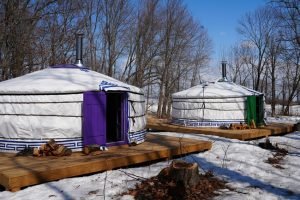
“It’s almost completely off the grid. They stay in yurts; they have two participants in each yurt. They don’t have any hydro except for one particular area where staff do their work. They have a yurt that’s set up as the main lodge area. The sleeping quarters and everything is in a yurt. They have a wood stove to keep warm. Then they have cooking facilities and then a program area.”
Gimaa Stevens adds that the Nipissing First Nation wellness camp model runs for three months. The Nayaashing Mshkikiiwan Wellness Camp will offer two sessions each year.
“Participants are immersed in the experience for the entire time. There are very few programs that are running that long. We’re hoping that there will be some successes seen in the longevity of the program and will be beneficial to them maintaining their better journey forward with good health.”
Nipissing First Nation Director of Social Services Wendy Lariviere says the Wellness Camp was brought together by Elders, Knowledge Keepers, and community members. She says even when the space isn’t in use as the Wellness Camp, it will be used by community “to really support community and land-based programming and healing.”
“In the summer, we’re partnering along with our Walking Alongside Program, which is our prevention program in community. We’re doing family camps and youth camps. Our staff are doing training sessions during those times. And then, the same thing in the winter.”
July 4 was the graduation date for the first round in the pilot project, according to Lariviere.
“We are learning as much as the participants are learning as we’ve transitioned and moved along. I think we are doing pretty well. I met with the participants just before the halfway mark. They had some suggestions. One of the examples was that they wanted more time with the Elders. So, being able to remind them that I do have to balance the Elders’ time, too, so I don’t wear them out, along with all the other programming they have going on. So, they understood why an Elder’s not there every day.”
Lariviere commended the participants for living in yurts with no running water.
“Not everyone can do that for ninety days. To be out there. They have a radio to get some outside understanding of what’s going on in the world. But part of the whole process is to take away all the noise so they can concentrate on their healing and the program that they’re working through.”
Lariviere has respect for the historical past of the land where the yurts now stand.
“We’re so lucky with the location that we have. There is so much story and history to that space. The healing that comes from that land. Not only just with when our pow wow was there, but prior to that. All the history,” she says. “It’s really beautiful. I can never give it justice, but there are a couple of Elders who share the story of a man who lived in that area, and he was a rainmaker. The connection to the land he had, to be able to do those things, it’s really amazing to hear the depth of the history. And then, other stories with different legends with the Wendigo. And how they came around that area, too. And why those islands are they way they are. It really gives you a deeper connection, not only to that space, but to the wonder of everything else around you.”
Lariviere explained a portion of the curriculum involves the seven stages of live teaching.
“Having them walk their life to where they are now and where they want their life to go is really important. And then the last piece of our camp is just kind of building their bundle. We’re getting them ready so that when they leave camp, they have tools to help them. Those are physical tools that they also walked along the way, building their drum, building their medicine bundles. But then also, all of the mental and spiritual supports they need along the way.”
Gimaa Stevens says the community is very grateful to the Health Canada Substance Use and Addictions Program.
“It’s been the major contributor for the project. As the pilot progresses, we’re committed to securing further resources to sustain and allow the program to grow beyond March 2028. That’s the date that Health Canada Substance Use and Addictions Program funding is completed but if our numbers are successful, it will be strong going forward to indicate a need and show some success.”
Gimaa Stevens states that the First Nation’s goal is continued growth to meet the evolving wellness needs of Nipissing First Nation.
“We’re trying to do what we can with our own community members and within our catchment area and try to do something about this global crisis that got everybody under the spell of drugs and mental health problems. If we all did our share, it would help to reduce some of the numbers. I know that it’s a global problem, but we’re going to try our best to do our share to support our community members and those wishing to be part of our program.”