

Dilico Anishinabek Family Care launches culturally grounded outpatient recovery program in Thunder Bay
By Rick Garrick
THUNDER BAY — Dilico Anishinabek Family Care announced the launch of The Bridge to Recovery (Aazhogan-izhi-noojimo), a four-week outpatient program for adults experiencing substance use and mental health challenges, on November 4. The program, which combines clinical treatment with Indigenous approaches to healing, provides a culturally grounded alternative to residential treatment.
“We recognize that treatment isn’t one-size-fits-all, and that staying connected to family, community, and everyday responsibilities can be an important part of recovery,” says Natalie Paavola, CEO at Dilico Anishinabek Family Care. “By bringing together clinical treatment, Indigenous approaches to healing, and the flexibility of outpatient care, we’re creating more opportunities for individuals to begin their recovery journey.”
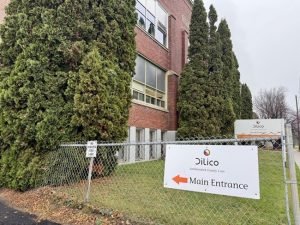
The program is offered at Dilico Anishinabek Family Care’s Heath Park Site in Thunder Bay, where participants receive structured, intensive support while continuing to live at home and maintain their daily routines.
“It’s kind of like our residential treatment program,” says John Dixon, Director of Substance Health and Special Projects at Dilico Anishinabek Family Care. “They do similar programming, kind of intensive day programs, but then [participants] are able to go home and tend to their responsibilities with their families in the evenings.”
Dixon says substance use is impacting First Nations people disproportionately in the region.
“We are … in a region of the province that is experiencing more struggles and difficulties with this right now than just about anywhere else,” Dixon says. “So, I think any program we can add that offers more capacity to meet people’s needs, wherever they are at, is important. It’s a really tough time right now with the amount of it in our region and the amount of impacts it’s having on people.”
The Bridge to Recovery program, which is designed for adults aged 18 and older, can accommodate up to 20 participants per intake, with new groups beginning every four weeks.
“We’ve had calls for more service for probably a decade now in different capacities … to help people in different ways,” Dixon says. “It is a common ask at the community level right now, for more substance health services, because it is a known problem across the entire region. When we’re engaging people in these types of programs, we’re also trying to engage them in the broader continuum of care, too, so that we are giving them offerings of housing that’s a little bit more secure and safe, and in an environment where sobriety is promoted, and at least wellness is promoted so we’re not putting them in situations where that temptation is so immediate.”
Dixon says the program filled up immediately for the first intake.
“We ran our first cycle already,” Dixon says. “We did it at half speed just to make sure we were ironing out the kinks and doing our best, and we have a full cycle back in there operating this week.”
The program participants have access to a range of services and supports, including traditional healing and cultural teachings; evidence-based treatment and recovery skills development; individualized care planning; land-based and culturally informed programming; ongoing wellness and recovery support; and nutritious daily lunches.
“Recovery involves more than addressing substance use or mental health challenges in isolation,” Dixon says. “Our focus is on giving participants the tools and confidence to make meaningful changes in their lives, and the support they can continue to draw on after the program ends.”
After the four-week program ends, participants are able to continue accessing case management, individual follow-up, and recovery-focused group programming to help them maintain their progress and work toward their long-term wellness goals.
People who are interested in learning more about the program or beginning the intake process can find information online.